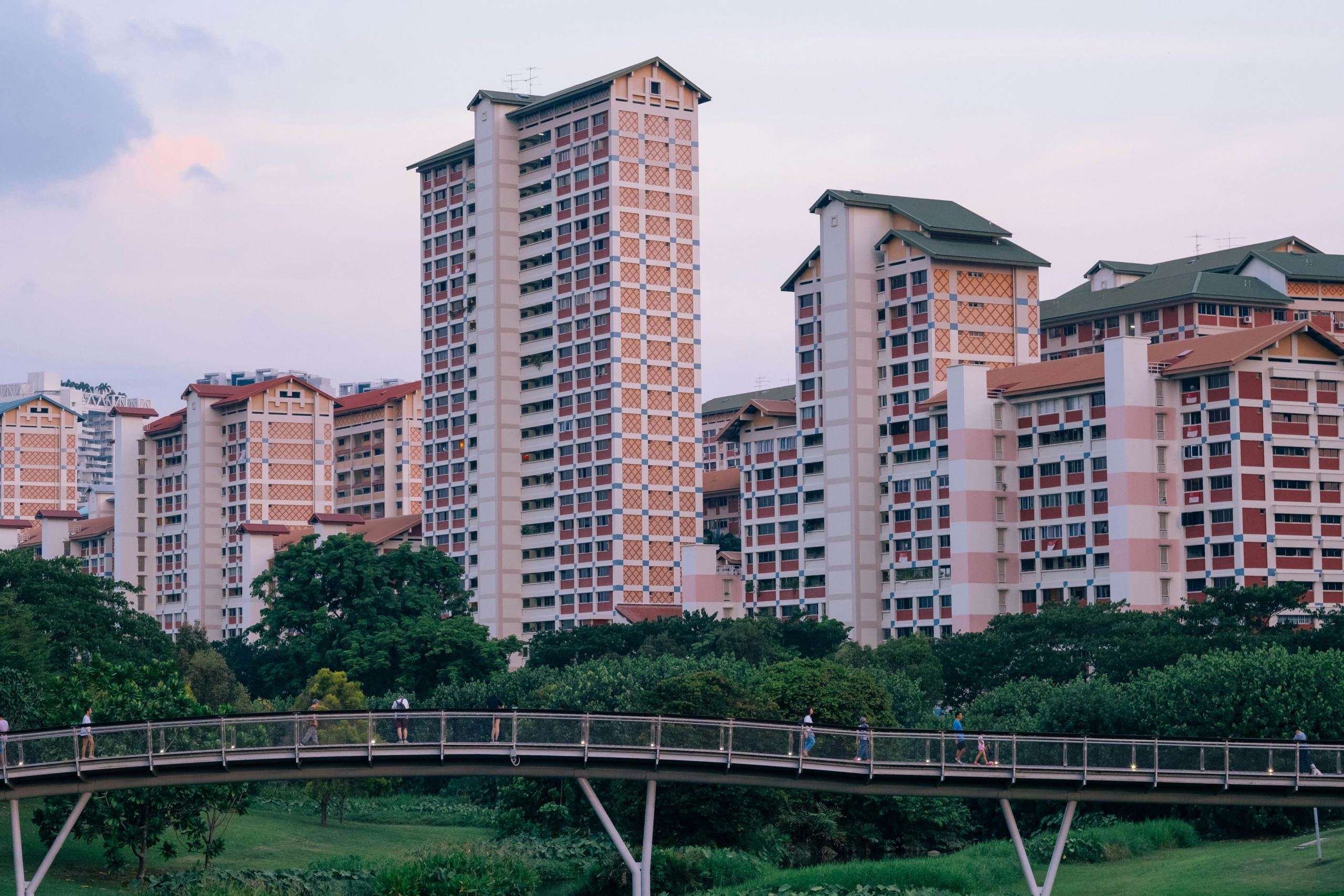
More resale HDB flats are expected to come on the market next year, prompting analysts to predict that prices of HDB resale flats could moderate.
A report by Orange Tee estimated that nearly 13,500 HDBs will reach MOP in 2026, nearly double 6,973 MOP units in 2025.
The MOP flats predicted to enter the market in 2026 will largely come from Punggol (3,222) in the North-East region, followed by Queenstown (2,409) and Toa Payoh (1,594) in the Central region, as well as Tampines (2,133) and Bedok (1,440) in the East region.
According to analysts’ data, MOP flats in Punggol are mostly located in the Punggol Northshore neighbourhood, while MOP flats in Queenstown, Toa Payoh and Tampines will come from Dawson, Bidari, and Tampines North respectively.
Of the flats projected to hit their MOP in 2026, about 2,700 are five-room units, 5,900 are four-room flats, 2,600 are three-room units, and 2,300 are two-room flats.
HDB resale prices are likely to face “some downward pressure” which will help to mitigate a significant surge in prices as more sellers are expected to list their MOP flats, alongside with a steady stream of Build-To-Order (BTO) flats and resale of balance flats, said Ms Christine Sun, chief researcher and strategist at Realion (OrangeTee & ETC) Group, according to the Straits Times.
ERA Singapore key executive officer Eugene Lim said that the “2026 supply of MOP flats is likely to lead to prices growing at an overall slower rate with the larger supply, despite demand holding firm,” according to the news report.
Lim believes that the slowdown in HDB resale prices could be more evident in highly sought-after areas such as Bidadari and Dawson.
Resale flats in Bidari and Dawson frequently topped the million-dollar mark.
Mr Luqman Hakim, chief data and analytics officer at real estate portal 99.co, said that prices could stabilise in HDB heartland estates such as Tampines, Bedok, Bukit Batok and Sengkang, where many flats are expected to hit their MOP, according to the news report.
These heartland estates appeal to families because of their accessibility to schools, neighbourhood malls and MRT stations, he said.
“They offer good livability and value, and help meet demand for newer flats within their respective towns,” he added.