The Trump administration laid out their plan for future relations with Venezuela on Wednesday (Jan. 7),
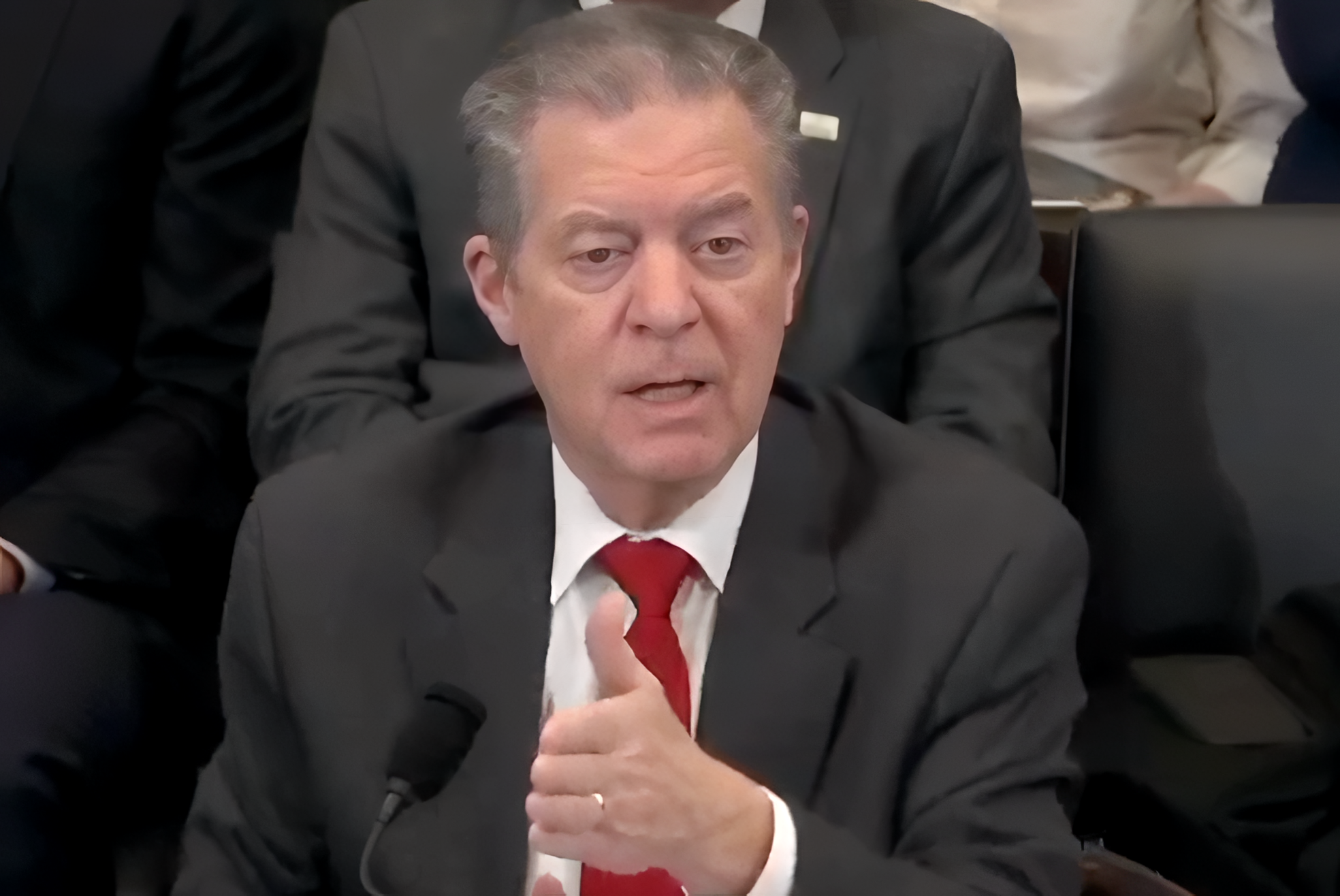
U.S. Secretary of State Marco Rubio told reporters, “Step one is the stabilisation of the country. We don’t want it descending into chaos.”
In this first phase, Rubio said the U.S. will continue to exercise control over access to Venezuela’s oil resources following U.S. President Donald Trump’s declaration of a blockade of oil tankers coming to and from Venezuela last month.
Since last month, the U.S. government has seized four tankers, including the two most recent seizures on Wednesday.
“We are in the midst right now, and in fact, about to execute on a deal to take all the oil they have, oil that is stuck in Venezuela.” Rubio said. “They can’t move it because of our quarantine and because it’s sanctioned.”
Rubio told reporters that the Venezuelan oil would be sold at market rates, with the proceeds managed “in such a way that we will control how it is dispersed in a way that benefits the Venezuelan people, not corruption, not the regime.”
Trump said on Tuesday that the U.S. will receive 30 million to 50 million barrels of Venezuelan oil in the near future.
“The second phase will be a phase that we call recovery, and that is ensuring that American, Western and other companies have access to the Venezuelan market, a way that’s fair,” Rubio said.
“And that is ensuring that American, Western, and other companies have access to the Venezuela market in a way that’s fair,” he added.
Rubio said the recovery phase of the process will see the creation of a reconciliation process within Venezuelan society.
Since Nicolas Maduro was declared as the president in Venezuelan elections in July last year, “the authorities intensified their policy of repression, including widespread arbitrary detentions on political grounds, enforced disappearances and torture,” according to Amnesty International.
It reported that hundreds remained in prison after 1,369 people had been freed at the end of last year, out of more than 2,000 people detained after the elections.
“By the end of the year, around 160 members of Vente Venezuela and 34 members of Primero Justicia, another opposition political party, were in detention or forcibly disappeared,” the report added.
Rubio said, “The opposition forces can be amnestied and released and then from prisons or brought back to the country and begin to rebuild civil society.”
He said the third phase will be “one of transition.”
Rubio did not lay out a precise timeline for each of the phases or the final transition of power in Venezuela.
“Obviously, this will be a process of transition. In the end, it will be up to the Venezuelan people to transform their country,” he said.