The Pentagon is stepping up its cyber force plan in the face of rising threats from China.
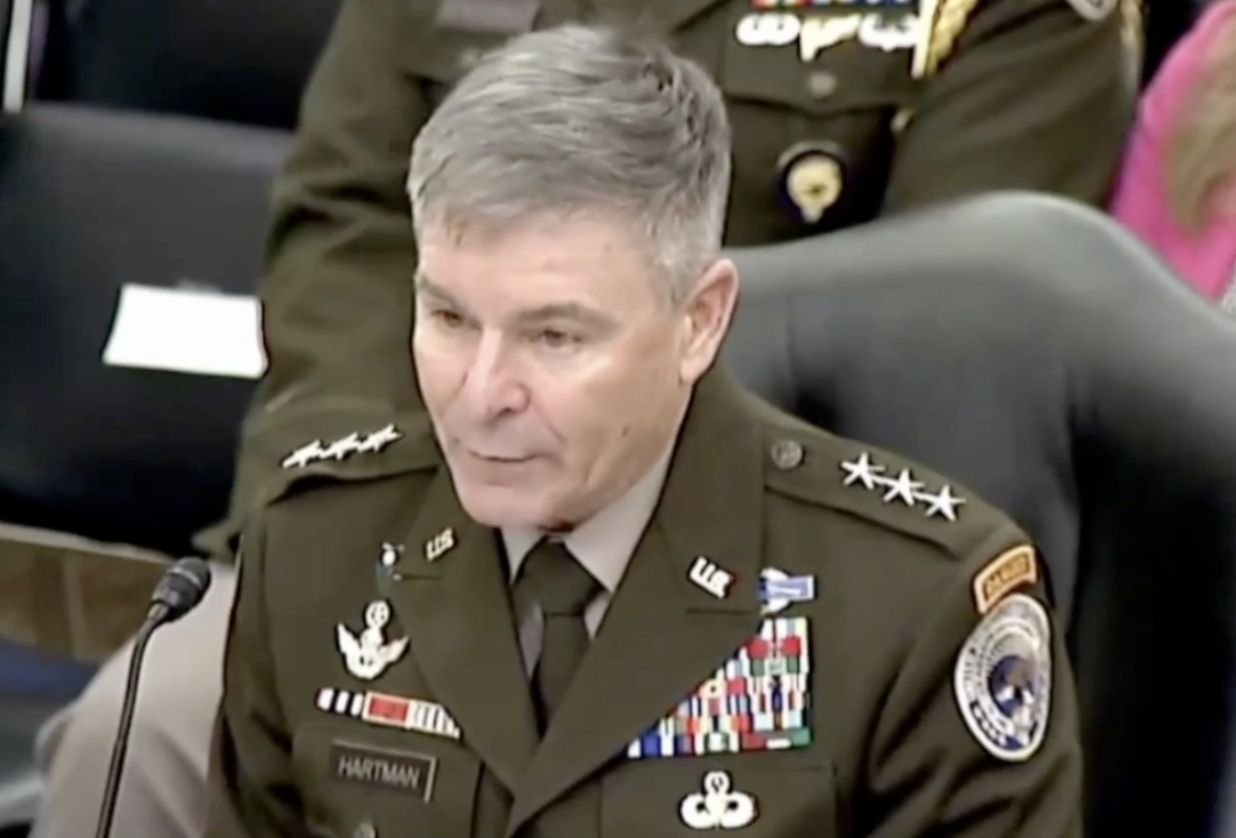
The Senate Armed Services Cybersecurity Subcommittee held a hearing on Wednesday (Jan. 28) to probe what the department calls Cybercom 2.0.
Lieutenant Gen. William Hartman, Acting commander, U.S. Cyber Command said, “We’re treating a cyber capability just like we would a kinetic capability. We’re not sprinkling cyber on, we are integrating cyber operations into the joint force commander’s plan.”
This follows U.S. Secretary of War Pete Hegseth’s major announcement last December to emphasise cyber security in the military.
“We’re also rapidly strengthening our nation’s ability to deter and defend against cyber attacks on Department of War and dual use targets, including through the most comprehensive overhaul of the U.S. Cyber Command since it was started 15 years ago,” Hegseth said.
The plan shifts away from traditional service models and integrates the U.S. Cyber Command more closely with the military branches.
And the urgency is clear.
Chinese state-sponsored hackers, such as Volt and Salt Typhoons, have over the past couple of years infiltrated U.S. critical infrastructure including power grids, water systems, and telecommunications networks. They use stealthy tactics to hide in plain sight.
Over the past few years, hacking campaigns linked to the Chinese Communist Party have targeted U.S. telecoms and transportation.
“Foreign adversaries like China and Russia and Iran, they’re probing and testing and challenging our systems, I would say by the nanosecond, not even enough to say daily, every single second,” lawmaker Jacky Rosen said. “They’re seeking any opportunity they can to degrade our command control, disrupt our operations, steal our most sensitive information.”
LT Hartman added, “What Cybercom 2.0 is really going to bring is advanced and specialised training that will allow us to both compete and really plan to outpace China.”
As Chinese cyber threats grow more aggressive, the Pentagon says that Cybercom 2.0 is no longer optional and is essential to winning the next war before it starts.
Brigadier Gen. R. Ryan Messer, Deputy Director for Global Operations, J3 Joint Staff said during the hearing, “Our adversaries are using the cyber domain as part of their multifaceted campaigns to degrade U.S. and allied interests.”
“Threats in cyberspace are currently growing faster than we can scale our actions. And Cyber Command is already proving its value,” he added.
Cyber Command has played key roles in operations like Midnight Hammer which saw the decimation of Iran’s nuclear sites in June last year, and Absolute Resolve that contributed to the capture of former Venezuelan dictator Nicolas Maduro in January.