Canada struck a trade deal with China, despite concerns over Beijing’s human rights record.
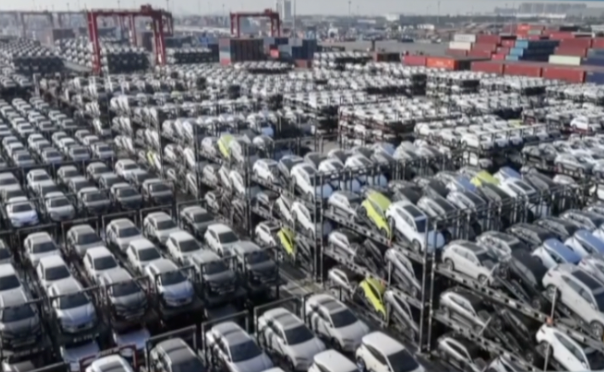
Canada announced on Friday (Jan. 16) the country will lower tariffs on Chinese electric vehicles (EVs) in exchange for China lifting tariffs on Canadian canola and other agricultural products.
Canada has agreed to allow up to 49,000 Chinese EVs into the Canadian market with the most favoured nation tariff rate of 6.1 percent.
Chinese EVs exports beyond the first 49,000 will still face 100 per cent tariffs.
China is expected to lower tariffs on canola seeds from 80 per cent to 15 per cent while tariffs on Canadian lobsters, crabs and peas are also expected to be put on hold this year.
Carney says China would make a considerable investment into Canada’s auto sector within three years.
Ontario’s Premier Doug Ford criticised Carney’s deal with China, warning it could threaten Ontario’s auto industry.
The Premier added that it could affect Canada’s access to American markets if the U.S. sees Canada as a backdoor for cheap Chinese imports.
The deal marks a significant shift toward relations with China, away from the U.S. following U.S. tariff hikes.
Canada’s Prime Minister Mark Carney told his Chinese counterparts during their meeting, “Mine is the first visit of a Canadian prime minister to China in nearly a decade.”
Carney also announced a new strategic partnership between Canada and China.
He says Canada’s relations with China are more predictable while its relations with the U.S. runs deeper.
Over 75 per cent of Canada’s exports goes to the U.S. while only five per cent go to China.
But a deeper economic relationship with China comes with strings attached.
Chinese leader Xi Jinping said the two countries should treat each other with respect.
It signals that criticizing Beijing’s human rights abuses might be seen as disrespectful.
When asked about human rights abuses in China, Carney said Canada needs to be realistic when it comes to doing business with Beijing.
He said he raised human rights concerns in private talks with Chinese officials, but discussing them publicly does not help.