The U.S. is welcoming India into a new tech and artificial intelligence (AI) alliance called Pax Silica in preparation for the AI era and counter China’s dominance in critical technology supply chains.
On Friday, India became the 10th nation to join the alliance, which also includes Japan, South Korea, Israel, and the United Arab Emirates.
Officials say the alliance will focus on tech access, AI regulation, and reducing dependence on any single country for critical minerals.
U.S. and Indian representatives highlighted rising global demand for cutting-edge computer chips, memory, and other key components for AI
They pledged to take a pro-business approach to AI regulation while promoting innovation for developing economies.
The move comes as recent U.S. policy changes have made India a key destination for tech investment.
The U.S.-India relations are warming after last year’s trade disputes.
India has faced high tariffs under the Trump administration, which sought to reduce the U.S.’ trade deficit with India which hit a 37-year high of $58.2 billion ($73.5 billion) in 2025.
The U.S. had consistently had the world’s largest trade deficit in absolute terms at US$1.2 trillion ($1.5 trillion) in 2025.
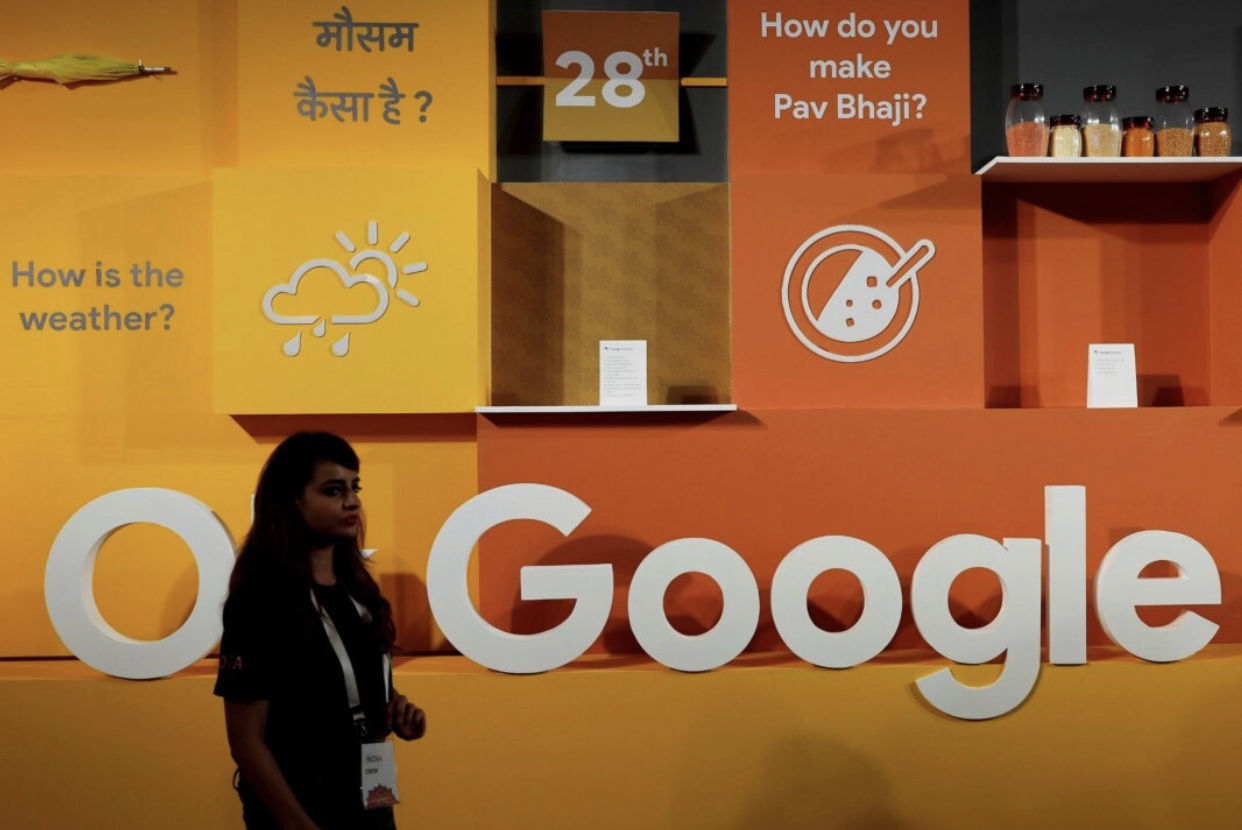
Google and Microsoft have announced multi-billion dollar projects in India to expand cloud, AI, and data infrastructure.
Analysts said India’s decision is driven by a desire to diversify supply chains and avoid dependence on China.
A senior U.S. official called India the only country on earth that really provides a real alternative in terms of the depth of its human capital and the scale of its market to China.