Ukraine said Russia carried out a mass attack on Ukraine’s energy infrastructure on Saturday night while media reported that Ukraine had also launched attacks on Russia.
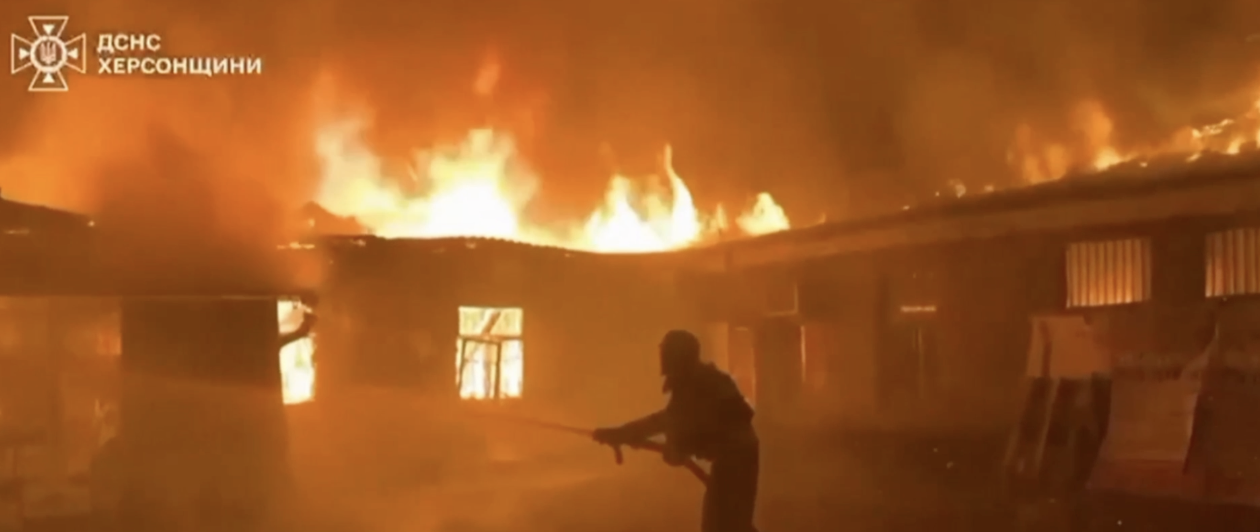
Ukraine’s State Emergency Service released a video of the aftermath of the attack which has not been independently verified.
Russia’s strikes caused widespread emergency power outages and damaged nuclear facilities.
They came as freezing temperatures returned, with Ukraine’s capital Kyiv forecast to see temperatures drop to negative two degrees Fahrenheit.
Ukraine’s President Volodymyr Zelenskyy said the strike hit facilities crucial to the operation of Ukraine’s nuclear power plants.
The country’s nuclear plants reduced power usage after the attack, while one shut down as a result.
Zelenskyy said the attack involved more than 400 drones and some 40 missiles of various types.
Ukraine’s energy minister said the strikes also hit two thermal power stations in Ukraine’s western regions.
Ukraine’s largest private energy company said Ukraine lost a significant portion of available electricity, and there were difficult days ahead.
The company also said residents in Kyiv can expect a maximum of one and a half to two hours of light per day.
Ukraine had also carried out attacks on Russia, according to an ABC report.
“Ukraine continued its own long-range strike campaign against Russia on Saturday night into Sunday. Russia’s Defense Ministry said on Sunday morning that its forces shot down 22 Ukrainian drones overnight.”
“On Sunday, Zelenskyy said Russia’s energy sector is “a legitimate target” for attacks by Ukraine, because Russia uses revenue from sales of oil to procure weapons used to attack Ukraine,” the report added.
Meanwhile, Zelenskyy said last week the country has significantly diversified its natural gas supplies.
A Greek joint venture has signed its first deal to supply U.S.-liquefied natural gas to Ukraine in March.
The company, Atlantic Sea LNG Trade, is seeking a long-term deal for up to 20 years to supply southern Europe.
This would help replace current Russian gas imports, which Europe plans to stop by late 2027.
Ukraine has also been ramping up imports of U.S. LNG through its strategic partnership with Poland.