Singapore is imposing mandatory isolation for those infected with measles and those who have close contact in view of rising measles infection in the country.
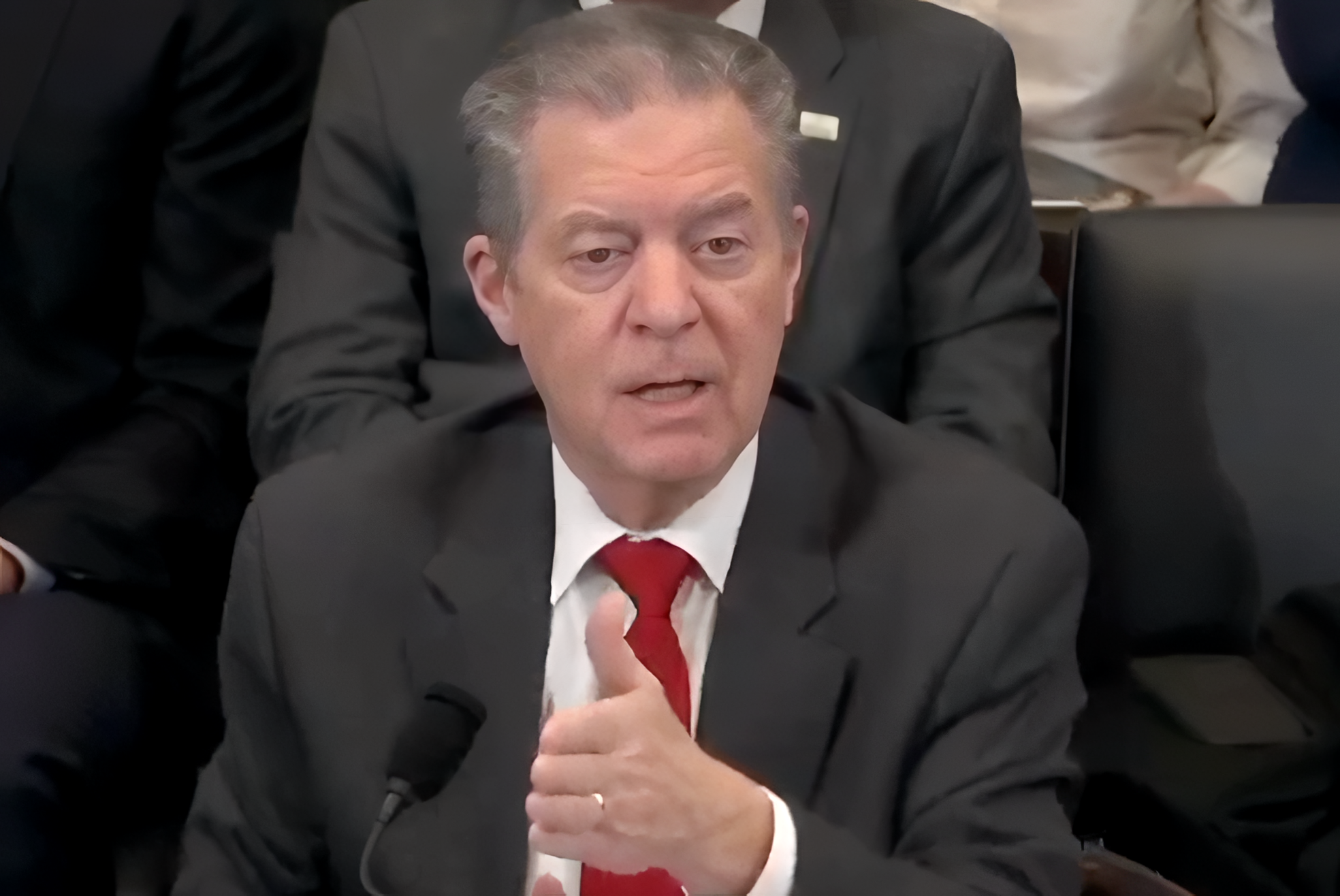
Dr Koh Poh Koon, Senior Minister of State, Ministry of Health and Ministry of Manpower, made the announcement during a doorstop interview today.
Those who are infected with measles will undergo isolation either in the hospital or mandatory isolation at home for up to 21 days.
Dr Koh said the Communicable Disease Agency (CDA) is stepping up measures to protect the vulnerable groups of people.
They include those who are “immunocompromised” where they are unable to mount a response for immunity and “children below the age of 12 months who have not yet received their MMR vaccine.”
Contact tracing will be conducted for anyone in close proximity of an infected person and close contact shall be placed in isolation for 21 days.
Those who are in close contact and are not immunised including young children, or are immunocompromised, or are pregnant women, would receive treatment and could be taken off isolation early if they show immunity.
11 cases of measles were detected in Singapore in January, up from two cases during the same period last year.
Out of the 11 detected cases, three were young children below the age of 12 months, seven had travelled in recent months and one was a tourist.
Dr Koh said three cases “were genetically-linked” but “they are not close contacts of one another” which “indicates that there’s some degree of community transmission.”
The increasing incidences of measles in Singapore is “in conjunction with the rising trend, particularly what we have observed around the world,” he added.
Dr Koh noted the rising trend of measles worldwide, saying in 2024, “World Health Organization (WHO) has observed about 11 million cases,” which was about 800,000 cases more than the pre-COVID-19 pandemic era.
On a positive note, he said “the vast majority of us, because of our mandatory vaccination programme, are already immune,” citing Singapore has a 90% “immunity in the population.”
Dr Koh advised those who have not been immunised and have young children to get a vaccination.
“And for Singaporeans who like to travel a lot, I think we need to take care – if you have symptoms and you are not sure, see a healthcare provider, get yourself treated or diagnosed.”