The US is taking steps to protect the small democratic island of Taiwan in the face of mounting threats from the Chinese Communist Party (CCP) and its stated goal of taking over Taiwan by next year.
Experts warn that if China were to seize Taiwan, it could upend global supply chains, dramatically impact Americans’ way of life, and trigger a worldwide economic crisis.
“Conflict in the Western Pacific over the Taiwan question would result in a 25 per cent Gross Domestic Product (GDP) contraction in Asia, and a knock-on effect of 10 to 12 per cent GDP reduction in the United States of America,” said Adm. Samuel Paparo Jr., Commander, US Indo-Pacific Command.
“If Taiwan goes under, then America’s finished as a power in Asia, and no country on earth that thinks it has a sort of a promise, explicit or implicit, that the Americans will defend them is going to have much confidence in US capability to keep them free,” retired US Marine Colonel and former US diplomat Grant Newsham said.
To deter a takeover, the US has taken several bold actions.
In December, Washington approved its largest-ever weapons package to Taiwan, a record US$11.1 billion or S$14.3 billion in arms. The sale includes rocket launchers, anti-tank missiles, armed drones, and other advanced systems.
Soon after, China launched large-scale military drills encircling the island, far more extensive than any previous exercises we have seen in recent times.
Top US military leaders say that China is actively preparing for a possible invasion.
“China’s increasingly aggressive actions near Taiwan are not just exercises, they are rehearsals,” Adm. Paparo warned.
The Trump administration has also released its national security strategy last month, emphasizing that the need to maintain military overmatch against China is critical.
Trump signed the Taiwan Assurance Implementation Act last month as well, requiring the State Department to regularly review and update its guidelines for engagement with Taiwan.
The move is seen as strengthening ties between Washington and Taipei.
Support for defending Taiwan also extends across party lines.
In December, Congress passed the National Defense Authorization Act (NDAA), increasing funding for Taiwan’s defense and expanding coordination with regional partners in the event of an invasion.
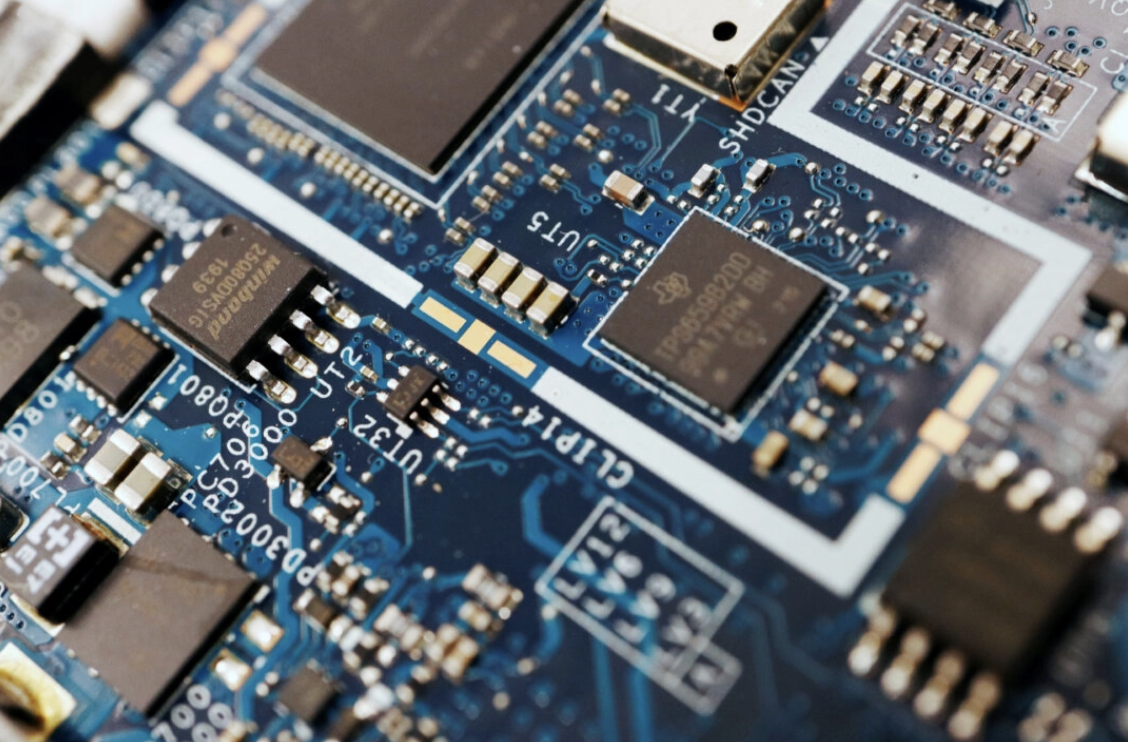
The NDAA also includes broader measures aimed at countering the CCP. Those provisions restrict US investment in Chinese military-linked companies, protect Americans’ genetic data from CCP-controlled firms, and ban Chinese-made technology from Pentagon supply chains.
The Trump administration has also increased economic pressure on China through tariffs, now totaling 47.5 per cent on Chinese goods.
Cabinet officials say that those tariffs, along with other economic measures, are part of a broader strategy to reduce US dependence on China.