ANALYSIS
The head of Southeast Asia’s largest scam network, wanted by the US, was extradited by Cambodia to China on Wednesday (Jan 7), in what an analyst described as a calculated move by Beijing to prevent the kingpin from falling into US hands.
The official state news agency of Cambodia, Agence Kampuchea Presse (AKP), announced that Chen was extradited “following several months of joint investigative cooperation between the relevant authorities of the Kingdom of Cambodia and the People’s Republic of China”.
Chinese Foreign Ministry spokeswoman Mao Ning followed up with a statement the following day on Jan 8.
“Combating online gambling, telecom fraud and related crimes is a shared responsibility of the international community. In recent years, China has actively cooperated with Cambodia and other countries, achieving notable results in combating cross-border telecom and cyber fraud crimes,” Mao said, according to the Chinese state-owned media China Daily.
The Chinese Communist Party (CCP) has not produced “notable results”, despite Chen running a large-scale scam operation for a decade since 2015 through the Prince Group.
Chinese and other media outlets did not report that Chinese or Cambodian authorities were investigating Chen for any alleged crimes prior to his extradition on Jan 7.
At the time of his extradition, the CCP had not issued an arrest warrant for Chen.
“A ministry official said public security authorities will soon issue a wanted notice for the first batch of core members of Chen’s syndicate and vowed to bring all fugitives to justice,” the Chinese media added.
Neither AKP nor the CCP elaborated on the alleged crimes nor how much the alleged loss was in their announcement of Chen’s extradition to China.
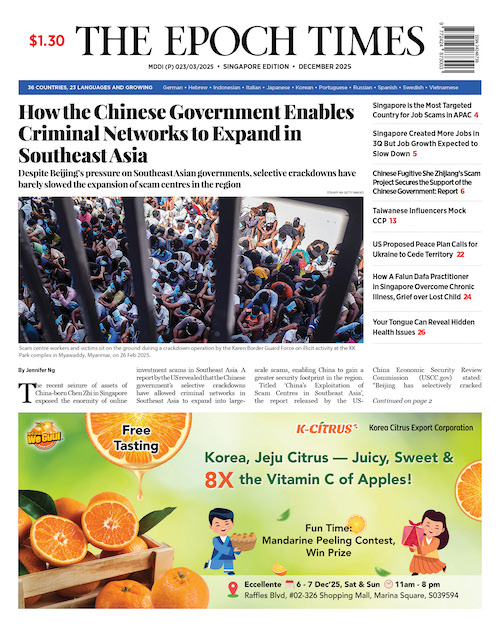
It appears that Cambodia handed Chen over to the CCP following a joint US–UK announcement in October last year, which stated that Chen, his company and accomplices were wanted and sanctioned in what was described as the “largest action ever targeting cybercriminal networks in Southeast Asia” for operating online investment scams targeting Americans and others worldwide.
The sanction notice provided details as the US Department of the Treasury’s Office of Foreign Assets Control (OFAC) announced “sweeping sanctions on 146 targets”, including the names of the sanctioned individuals and entities. It also listed the identification numbers and nationalities of the targeted individuals, as well as the business registration numbers of the targeted entities.
The US authorities had also seized Chen’s businesses, nearly 130,000 bitcoins worth US$15 billion in their largest ever crypto bust.
It follows that the US authorities have been conducting thorough investigations on Chen’s business activities and alleged crimes.
If Chen is captured by the US, his crimes and links to the CCP and the Cambodian government would be exposed.
Tang Jingyuan, a veteran China affairs analyst told the NTD: “In my view, the arrest and extradition of Chen Zhi is essentially a show staged by the Chinese Communist Party in Cambodia. This allows China to achieve two goals at once.”

“On the one hand, this is China’s attempt to save their diplomatic image globally, claiming that they too are cracking down on online fraud.”
He said, “On the other hand, this approach effectively protects Chen Zhi by preventing him from falling into the hands of the United States.”
Tang added that it is now very difficult for the US government to apprehend Chen now that he is in CCP’s custody.
Tang speculates that this may be exactly what the CCP wanted to prevent the US from further investigating Chen.
“Chen has connections to the Cambodian regime and authorities. Chen also has very deep connections to the CCP. He is closely linked to the CCP’s political and legal apparatus.”
“For these reasons, it is highly unlikely that the CCP would hand Chen Zhi directly over to the United States because once he arrives, Chen could reveal a great deal of information that would be extremely damaging to the CCP,” Tang added.
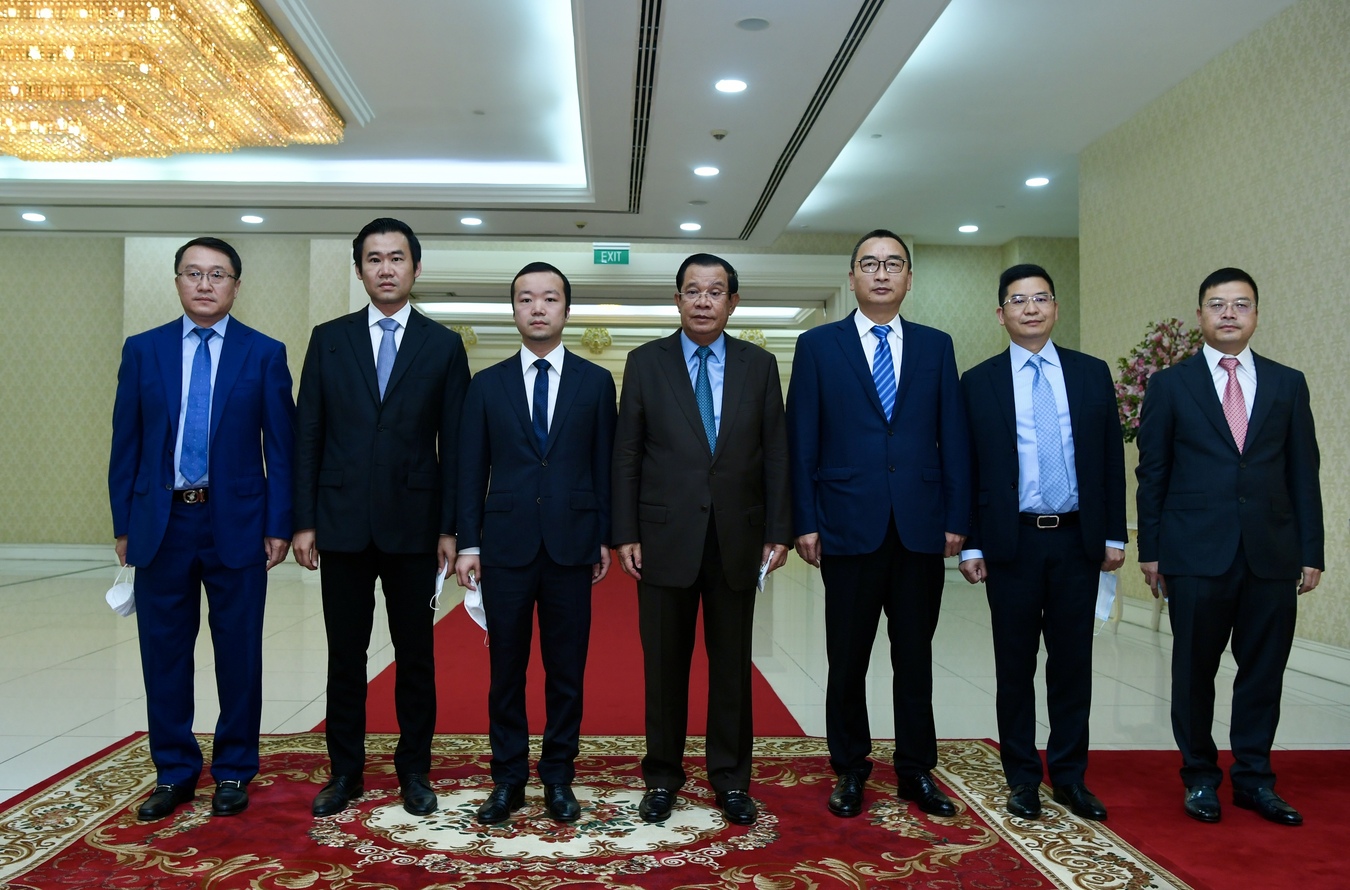
Chen’s ties with the Cambodian government run deep as he was the personal advisor to Hun Sen, the former prime minister of Cambodia and father of the current prime minister Hun Manet in 2020. Chen was also bestowed the highest title “Neak Oknha” by the Cambodian king during the same year.
According to a former Chinese spy who worked for the CCP’s top intelligence agency, the Ministry of State Security, Chen has links to the CCP.
The spy recently told Radio Canada International that the CCP helped him land a manager role at Prince Group, a role that served as a cover for the CCP’s covert operations.
He said one of his primary tasks was tracking Chinese dissidents both at home and abroad.
Taking action against the dissidents when necessary was also part of his role, he added.