slot gacorhttps://bsda-brangene.sumbawabaratkab.go.id/slot maxwin Culture Archives - Page 4 of 8 - The Epoch Times (Singapore)

Culture

Gems From People of Virtue

Dizi Gui (弟子规) : Gems From People of Virtue

Dizi Gui (弟子规) (Standards for Being a Good Student and Child) is an ancient Chinese text for children that teaches moral values and etiquette. It was written during the Qing Dynasty during the reign of Emperor Kangxi  (康熙帝) (1661-1722) by Li Yuxiu. Beneath the conservative, “old-school” verbose of this ancient classic, one can still find

Fan Zhongyan

Dizi Gui (弟子规) : Gems From People of Virtue

Dizi Gui (弟子规) (Standards for Being a Good Student and Child) is an ancient Chinese text for children that teaches moral values and etiquette. It was written during the Qing Dynasty during the reign of Emperor Kangxi  (康熙帝) (1661-1722) by Li Yuxiu. Beneath the conservative, “old-school” verbose of this ancient classic, one can still find

King-Zhuang-of-Chu-楚庄王

Dizi Gui (弟子规) : Characteristics of a Great Boss

Dizi Gui (弟子规) (Standards for Being a Good Student and Child) is an ancient Chinese text for children that teaches moral values and etiquette. It was written during the Qing Dynasty during the reign of Emperor Kangxi  (康熙帝) (1661-1722) by Li Yuxiu.  Beneath the conservative, “old-school” verbose of this ancient classic, one can still find

Lu Mengzheng (吕蒙正)

Dizi Gui (弟子规) : Letting Go Of Grievances-The Mark Of A Gentleman

Dizi Gui (弟子规) (Standards for Being a Good Student and Child) is an ancient Chinese text for children that teaches moral values and etiquette. It was written during the Qing Dynasty during the reign of Emperor Kangxi  (康熙帝) (1661-1722) by Li Yuxiu. Beneath the conservative, “old-school” verbose of this ancient classic, one can still find

The Signs of a True Friend

Dizi Gui (弟子规): The Signs of a True Friend

Dizi Gui (弟子规) (Standards for Being a Good Student and Child) is an ancient Chinese text for children that teaches moral values and etiquette. It was written during the Qing Dynasty during the reign of Emperor Kangxi  (康熙帝) (1661-1722) by Li Yuxiu. Beneath the conservative, “old-school” verbose of this ancient classic, one can still find
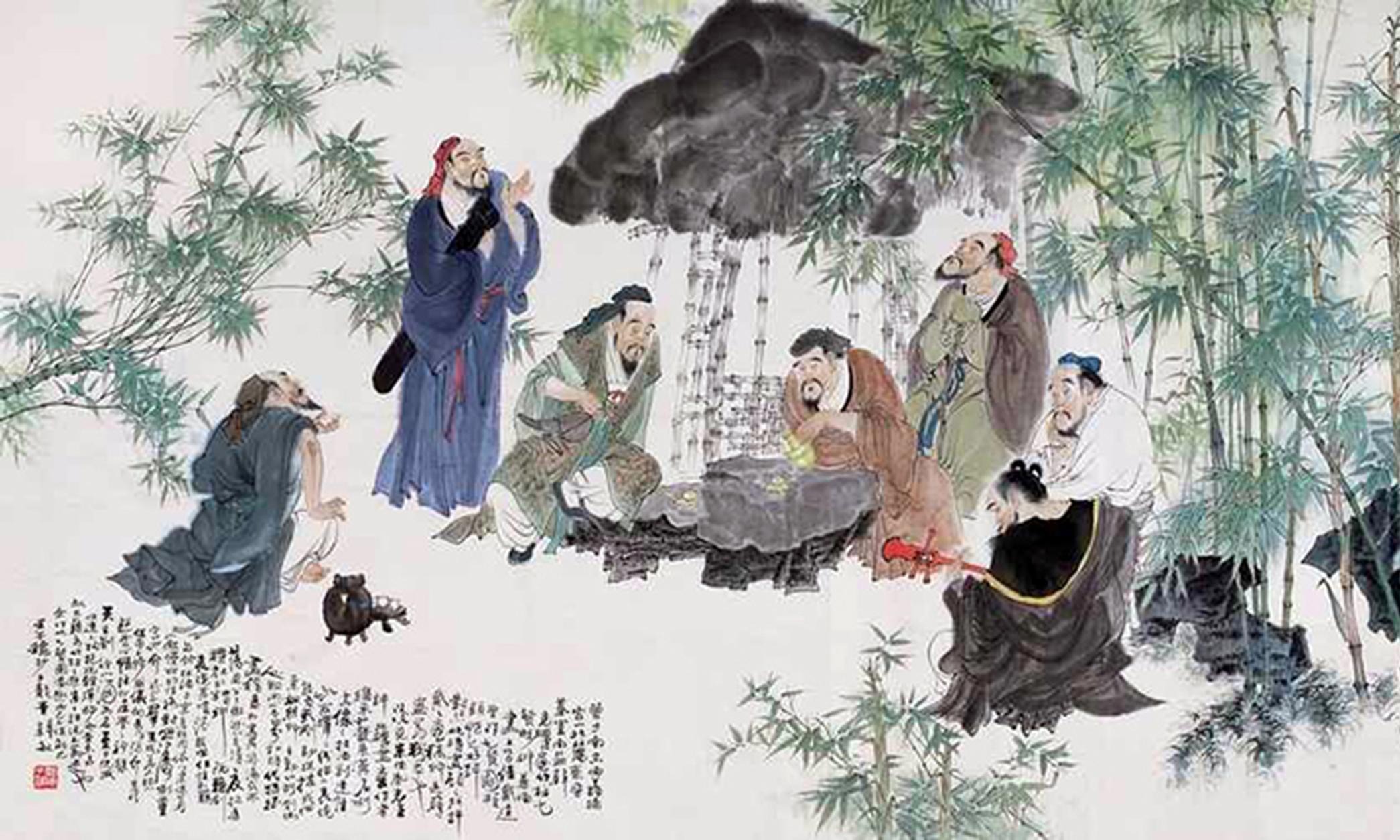
The Seven Scholars of Jian An (建安七子). One of the seven scholars, Wang Can (王粲), was motivated to achieve great heights through the support of Cai Yong (蔡邕), a famous Chinese literary figure.

Dizi Gui (弟子规) : Sharing Others’ Good Deeds is a Good in Itself

Dizi Gui (弟子规) (Standards for Being a Good Student and Child) is an ancient Chinese text for children that teaches moral values and etiquette. It was written during the Qing Dynasty during the reign of Emperor Kangxi  (康熙帝) (1661-1722) by Li Yuxiu. Beneath the conservative, “old-school” verbose of this ancient classic, one can still find
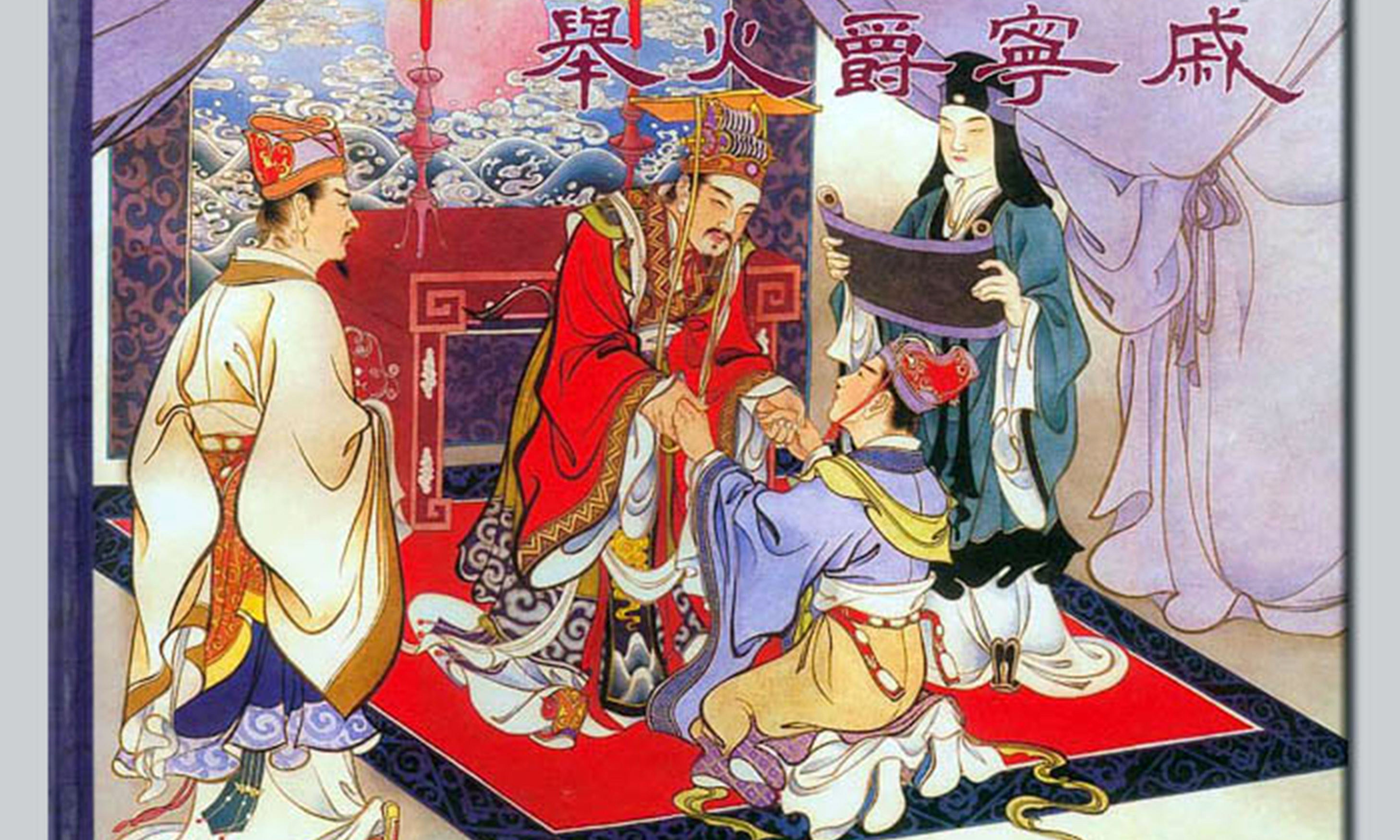
Dizi Gui (弟子规) : Love Is… Being Considerate of Others’ Feelings

Dizi Gui (弟子规) (Standards for Being a Good Student and Child) is an ancient Chinese text for children that teaches moral values and etiquette. It was written during the Qing Dynasty during the reign of Emperor Kangxi  (康熙帝) (1661-1722) by Li Yuxiu. Beneath the conservative, “old-school” verbose of this ancient classic, one can still find
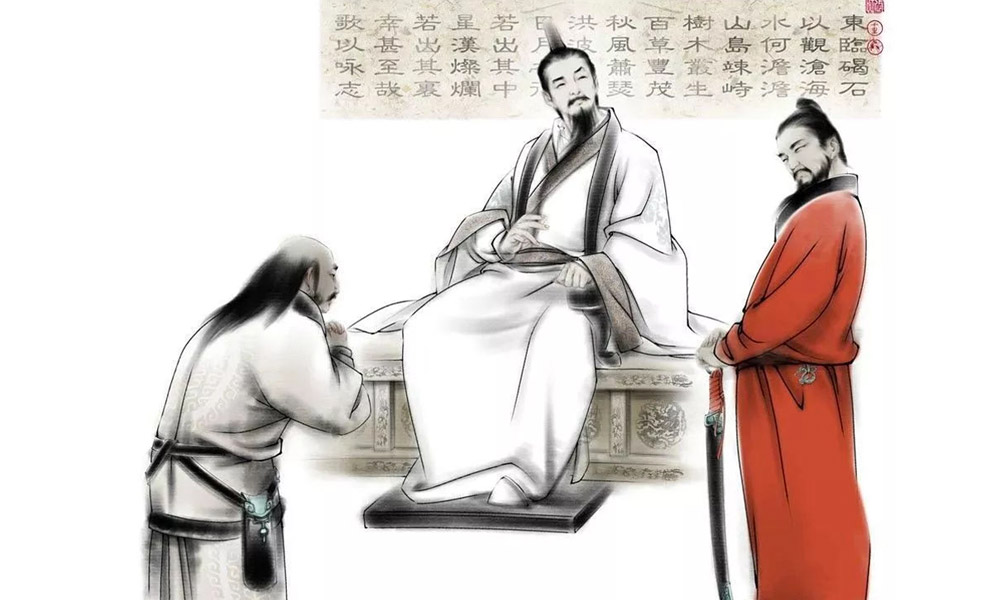
Dizi Gui (弟子规) : Simple Steps to Love All Equally

Dizi Gui (弟子规) : Simple Steps to Love All Equally

Dizi Gui (弟子规) (Standards for Being a Good Student and Child) is an ancient Chinese text for children that teaches moral values and etiquette. It was written during the Qing Dynasty during the reign of Emperor Kangxi  (康熙帝) (1661-1722) by Li Yuxiu. Beneath the conservative, “old-school” verbose of this ancient classic, one can still find
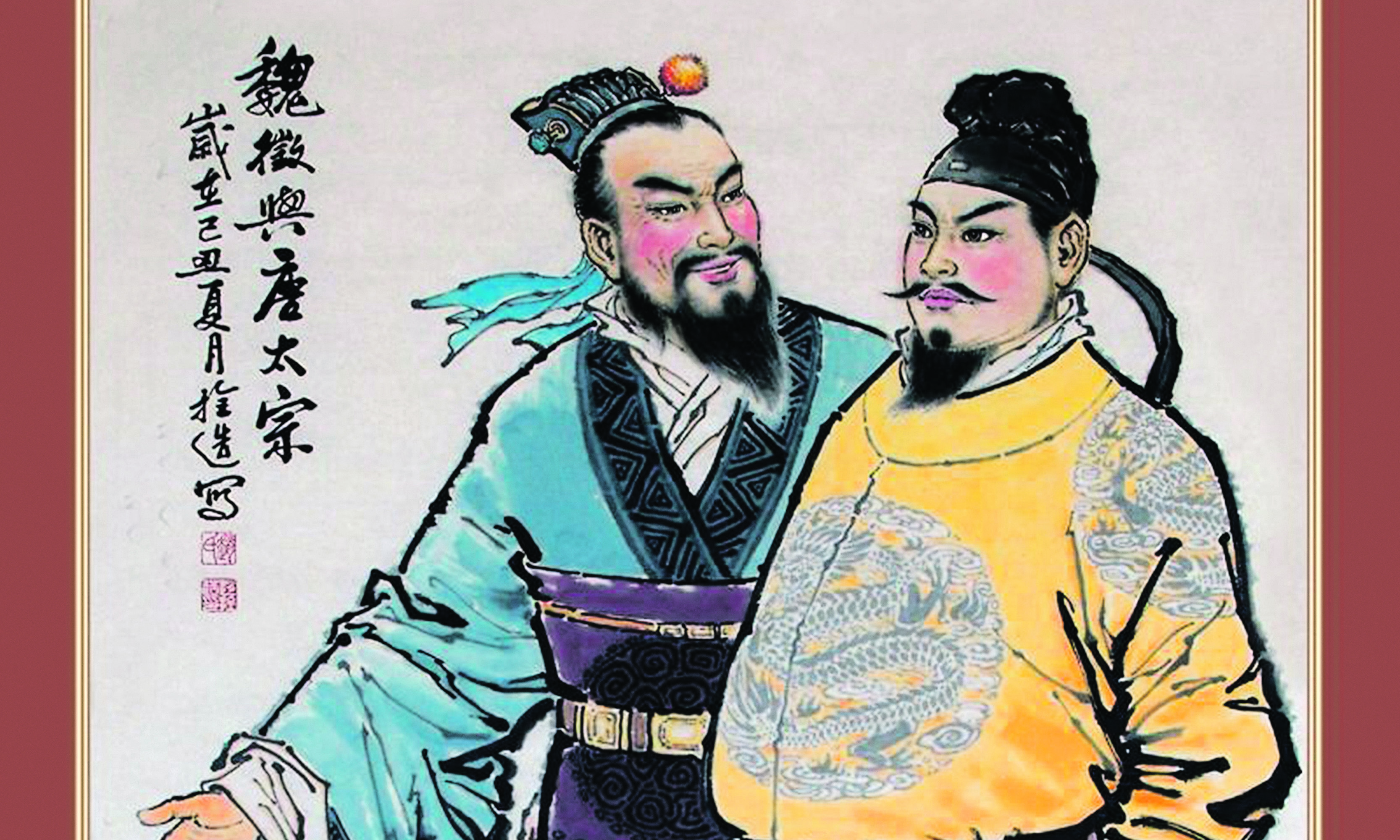
Dizi Gui (弟子规) : Handling Criticism and Praise Effectively 

Dizi Gui (弟子规) (Standards for Being a Good Student and Child) is an ancient Chinese text for children that teaches moral values and etiquette. It was written during the Qing Dynasty during the reign of Emperor Kangxi (康熙帝) (1661-1722) by Li Yuxiu. Beneath the conservative, “old-school” verbose of this ancient classic, one can still find


Valuing Character Over Affluence

Dizi Gui (弟子规) : Valuing Character Over Affluence

Dizi Gui (Standards for Being a Good Student and Child) is an ancient Chinese text for children that teaches moral values and etiquette. It was written during the Qing Dynasty during the reign of Emperor Kangxi (1661-1722) by Li Yuxiu. Beneath the conservative, “old-school” verbose of this ancient classic, one can still find gems of

Reflecting to be a better person

Dizi Gui (弟子规) :Reflecting to be a Better Person 

Dizi Gui (弟子规) (Standards for Being a Good Student and Child) is an ancient Chinese text for children that teaches moral values and etiquette. It was written during the Qing Dynasty during the reign of Emperor Kangxi (康熙帝) (1661-1722) by Li Yuxiu. Beneath the conservative, “old-school” verbose of this ancient classic, one can still find

Learning From One’s Mistakes

By Vibrant Dot Staff In Ancient China, correcting one’s mistakes was considered a moment of revelation and a key element in one’s character development. Older generations of Chinese people believed that even a saint could commit an error. Ancient texts mirror the adage that no man is infallible of making mistakes, but learning from them
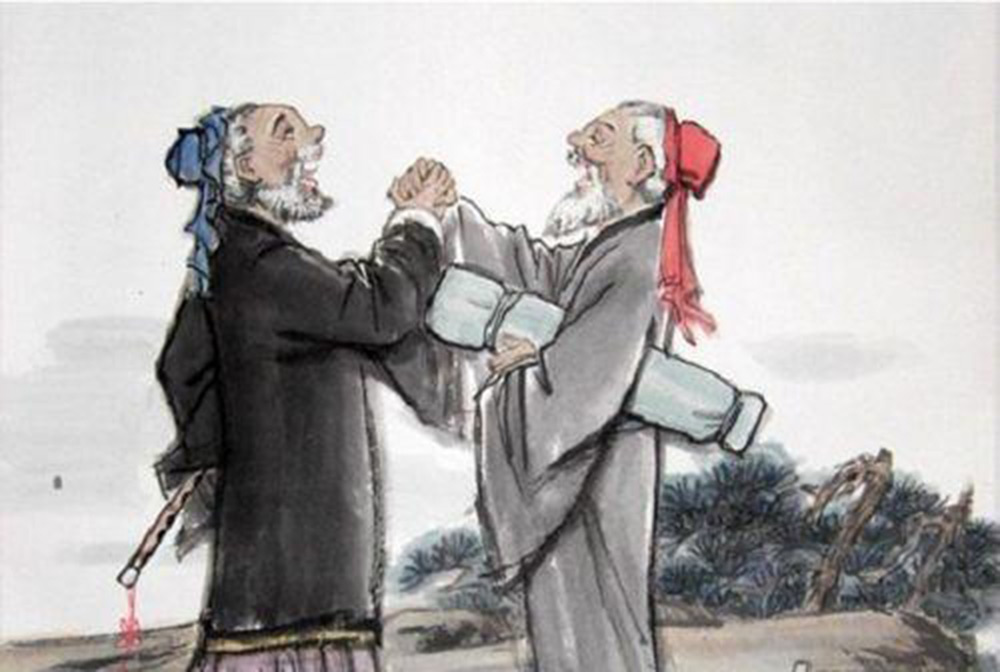
Keeping One's Promise

Keeping One’s Promises

By Vibrant Dot Staff Zhuo Shu (卓恕)was well known during the time of the Three Empires (the kingdoms of Wei 220-265, Shu 221-263 and Wu 222-280). He was known for his honesty, and always kept his promises. One day, Zhuo Shu visited his friend, the General Zhuge Ke (诸葛恪), to say goodbye to him before
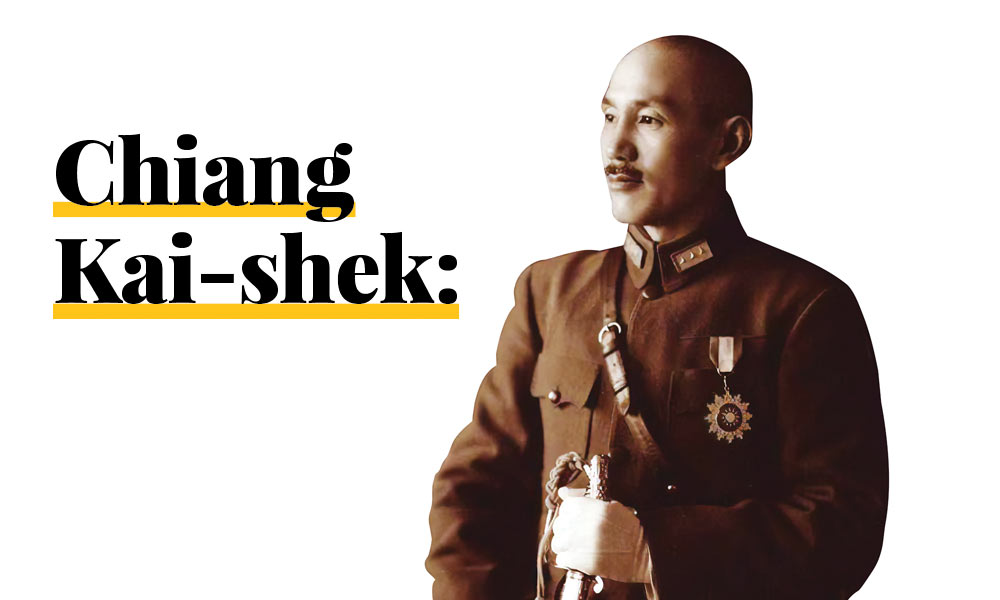
Taking Responsibility for Our Mistakes

Dizi Gui (弟子规) :Taking Responsibility for Our Mistakes

Dizi Gui (Standards for Being a Good Student and Child) is an ancient Chinese text for children that teaches moral values and etiquette. It was written during the Qing Dynasty during the reign of Emperor Kangxi (康熙帝) (1661-1722) by Li Yuxiu. Beneath the conservative, “old-school” verbose of this ancient classic, one can still find gems
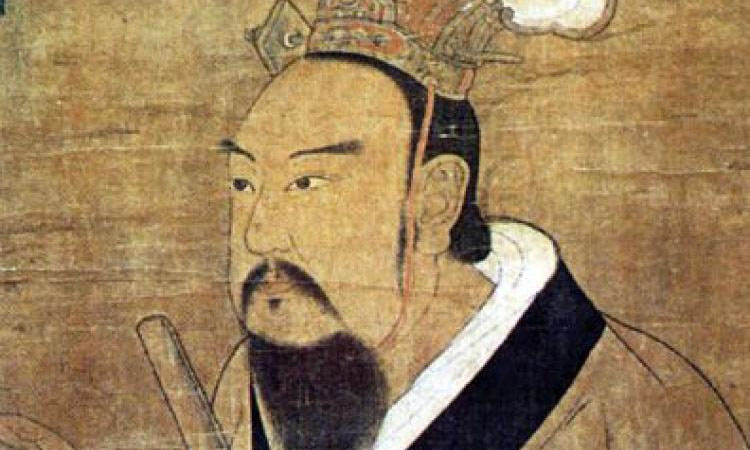
While playing a chess game, Emperor Liangwu (464-549) shouted the word “Kill!” was mistaken by his messenger as an order to kill his invited guest - Kowtow Monk.

Dizi Gui (弟子规) Communication Matters -Thinking Before Speaking

Dizi Gui (Standards for Being a Good Student and Child) is an ancient Chinese text for children that teaches moral values and proper etiquette. It was written during the Qing Dynasty during the reign of Emperor Kangxi (1661-1722) by Li Yuxiu. Poor communication isn’t just frustrating for the listener; it can also lead to mistakes,
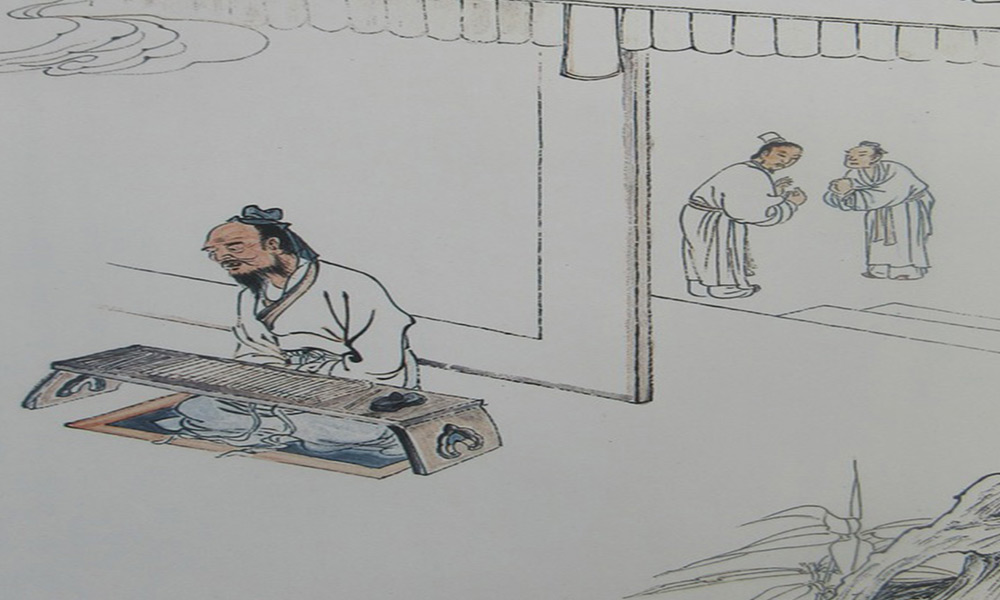
Truth About Gossips Light Promise

Dizi Gui (弟子规) : The Truth About Gossip and Light Promises

Dizi Gui (Standards for Being a Good Student and Child) is an ancient Chinese text for children that teaches moral values and proper etiquette. It was written during the Qing Dynasty during the reign of Emperor Kangxi (1661-1722) by Li Yuxiu. Beneath the conservative, “old-school” verbose of this ancient classic, one can still find gems
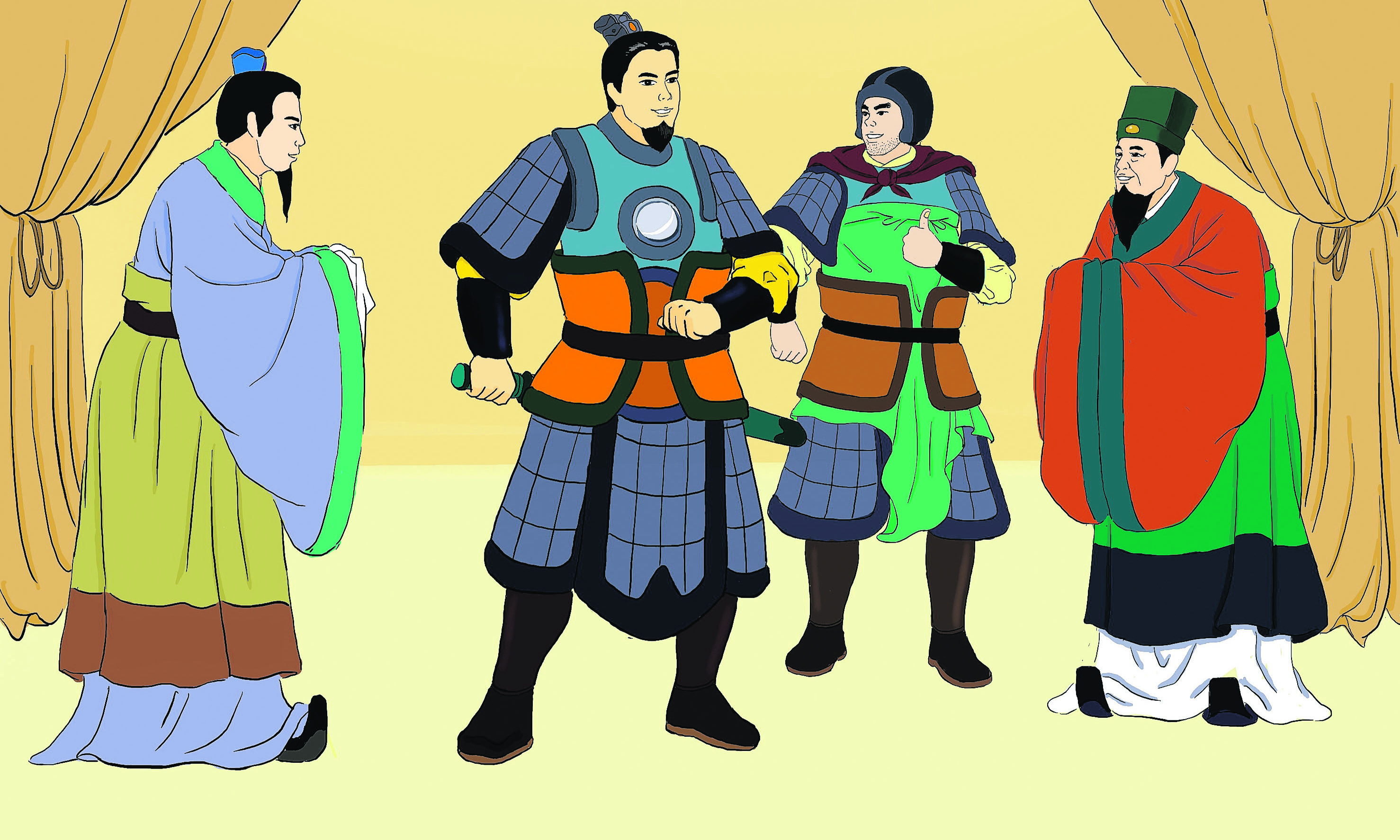
Yue Yi

Yue Yi (乐毅): Role Model of Generals

Yue Yi (乐毅) was a capable general for the State of Yan (燕国) during the Warring States Period (475–221 B.C.), and was considered a master of both the pen and the sword. During his time, the State of Qi (齐国) was very powerful and had a vast territory, but the Duke of Qi was a

The Cultural Revolution of Chinese New Year

The Cultural Revolution of Chinese New Year

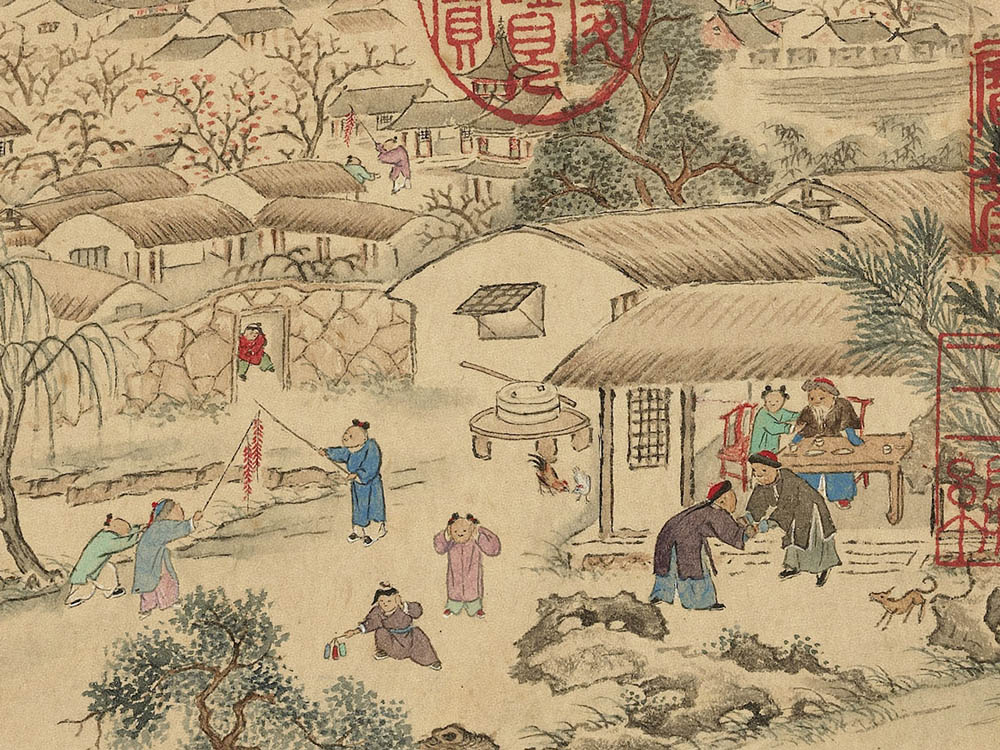
For ethnic Chinese, a typical Chinese New Year would involve gathering with family members at your elders’ house, cracking nuts and tangerines open while watching a variety show on TV. Kids would be running around, and the young might be comparing how much red packet money they have received. That’s what a modern New Year
Scroll to Top